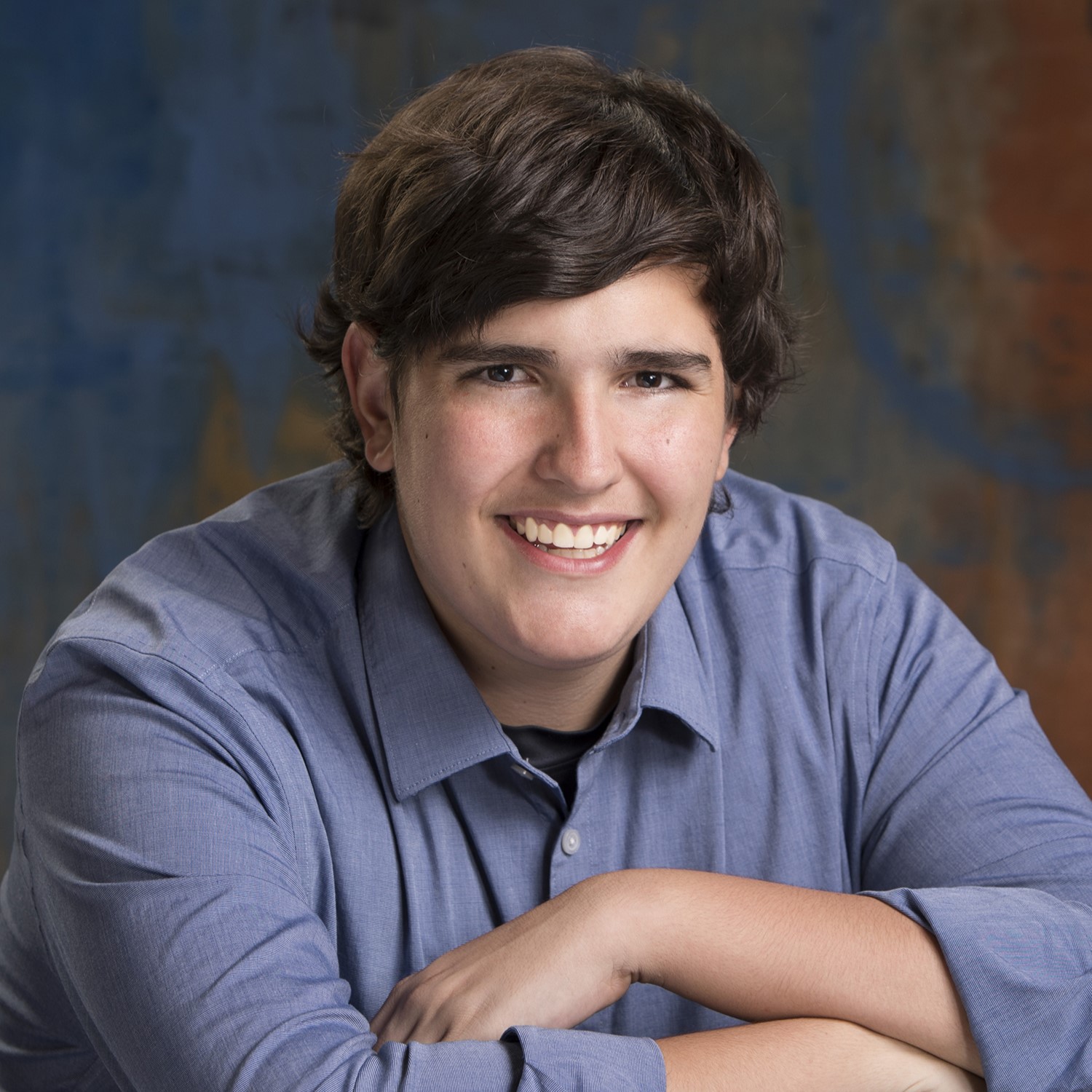
I just completed my B.S. in Creative Technologies at Illinois State University and am continuing on there into a Master's in Creative Technologies. After
four years that went in directions I didn't fully plan for, I'm greatful for the opportunity to expand my skills and experience even further.
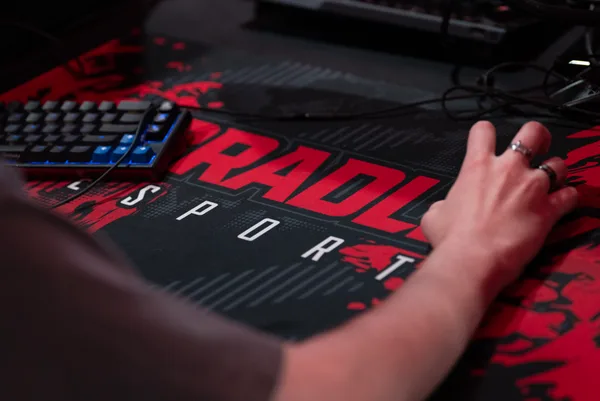
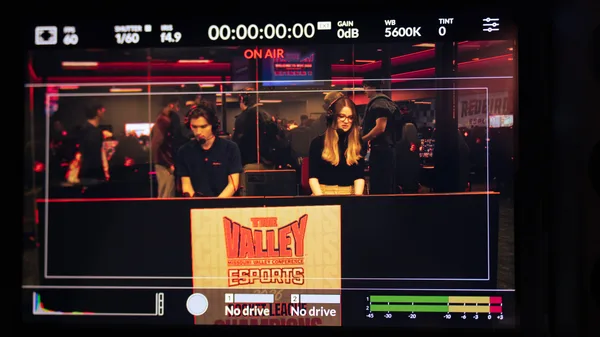
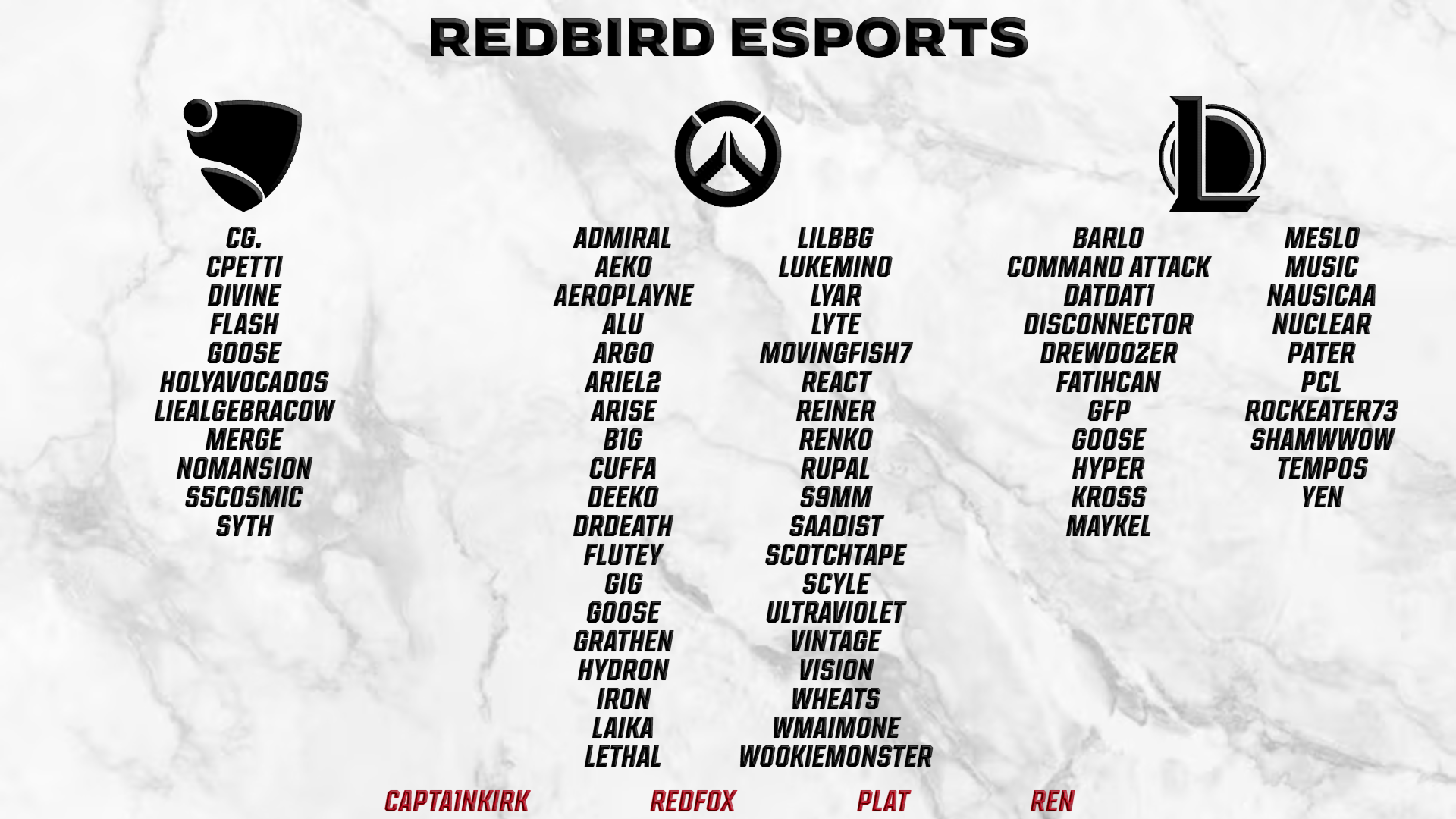
ISU gave me a lot to work with. I came in on an esports scholarship and spent
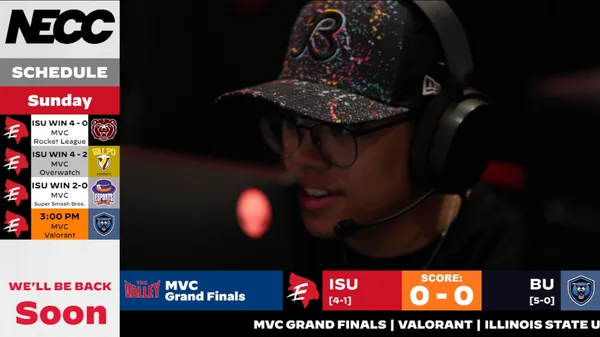
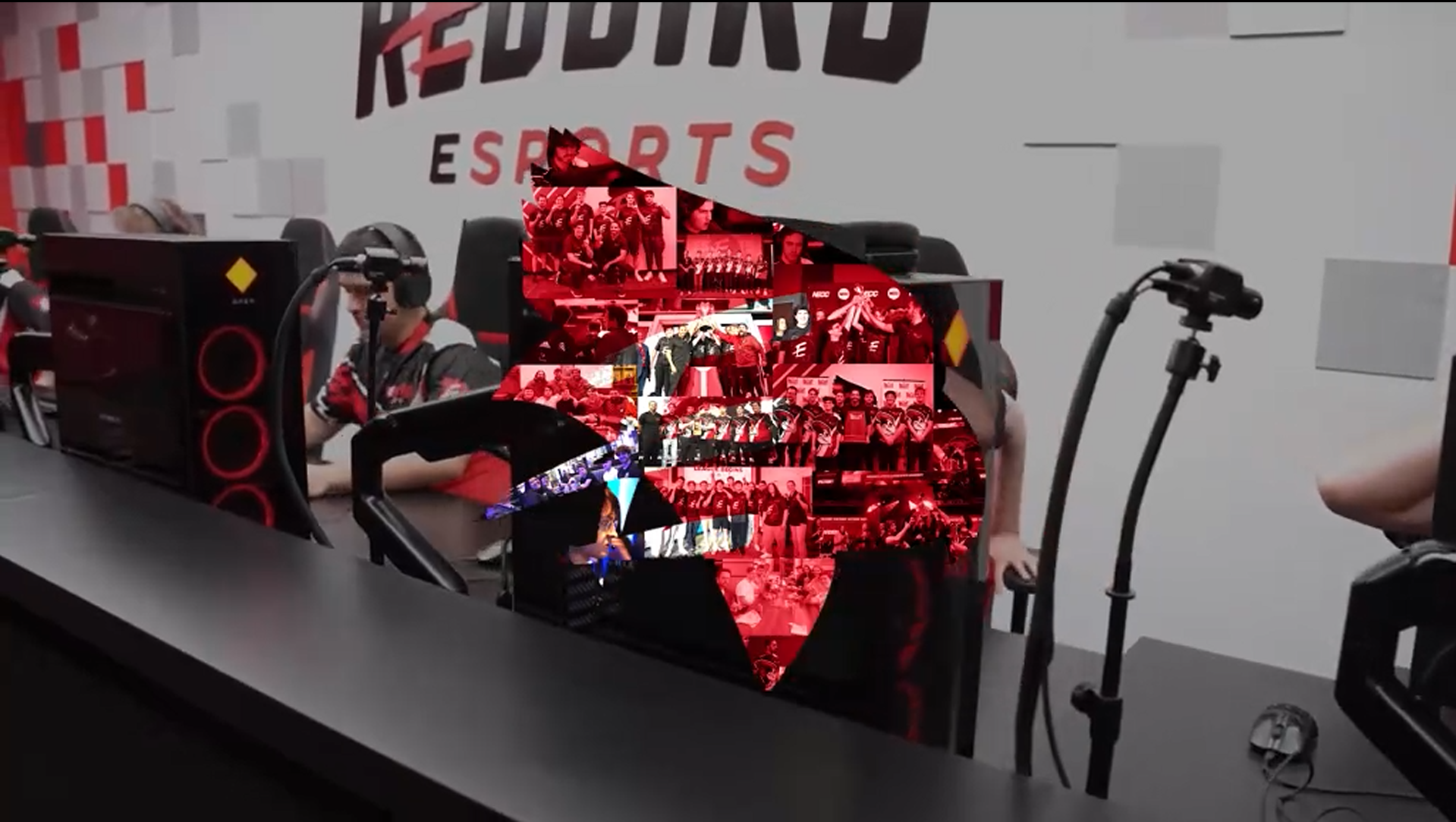
the better part of two years running the Redbird Esports media program: live
broadcasts, real-time graphics, social content, team logistics, a growing
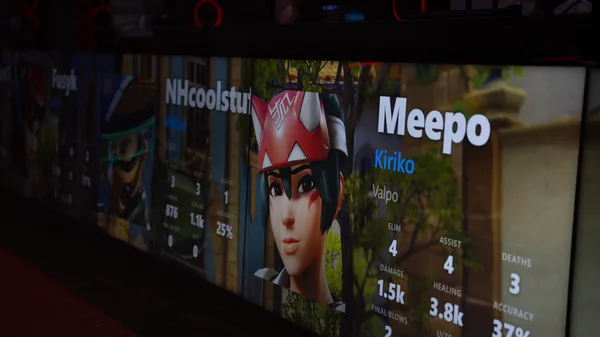
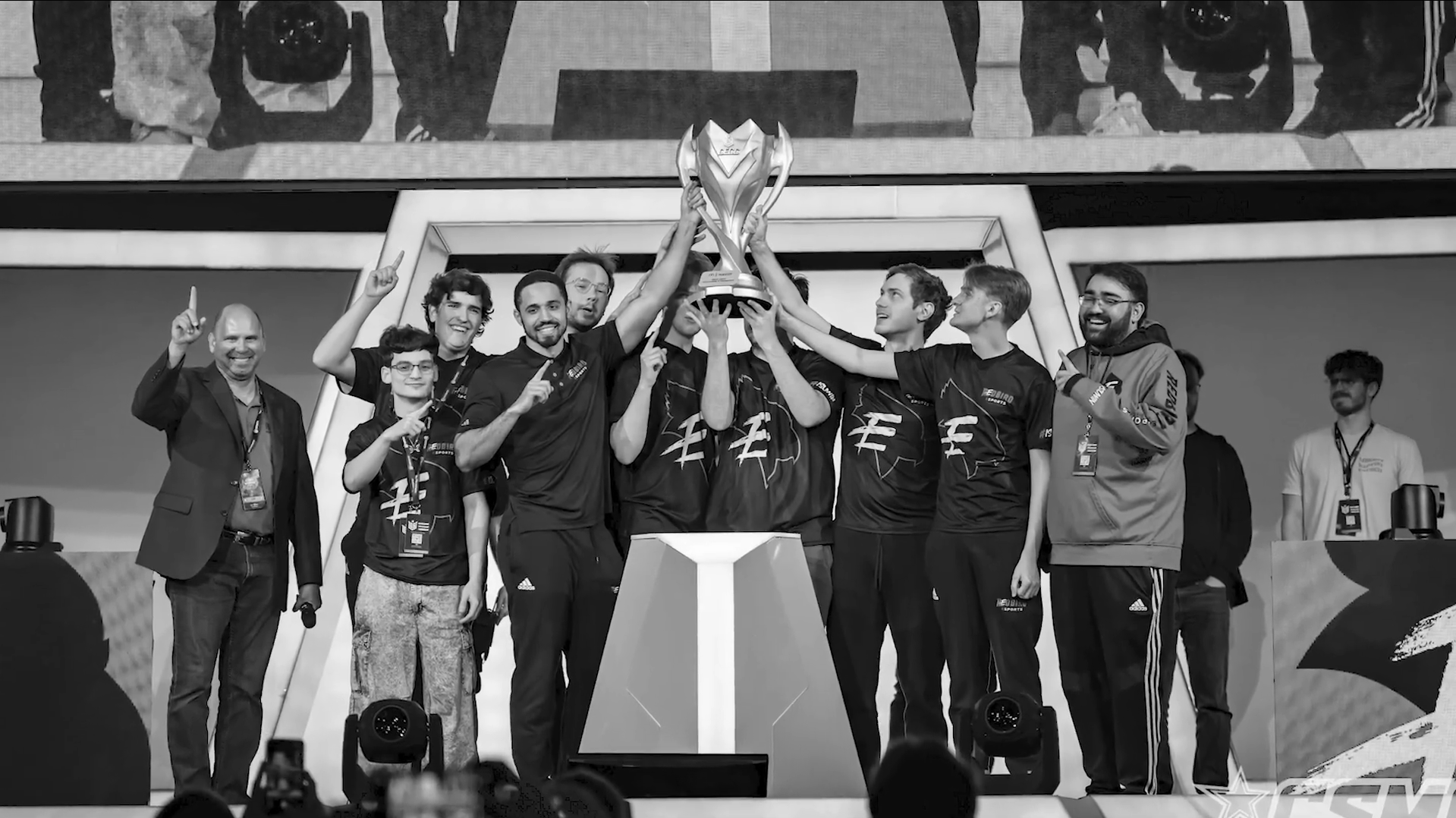
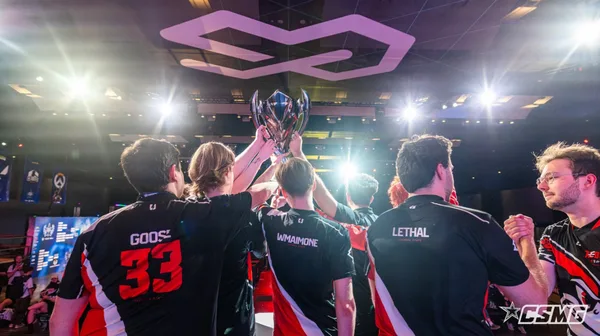
broadcast operation I largely built from the ground up. We won 13 national
championships in Overwatch during that stretch, and I was in the room for all
of them. The 2026 MVC Esports Championship is where that work is heading.
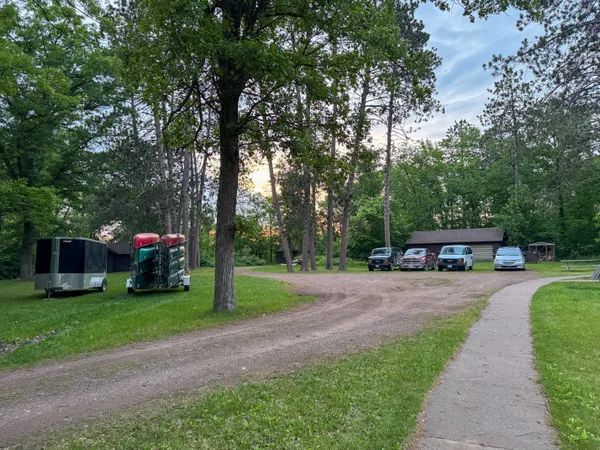
At the same time, I kept finding myself teaching. Environmental field science
lectures at a residential summer camp, robotics coaching, esports coaching that
ended in a 2024 state championship. Every time I got to be the person who
understood how something worked and could help someone else understand it too —
that's the part that kept sticking.
This spring I'm presenting research at the ISU Research Symposium. My question:
how do student research practices in environmental field science evolve with time
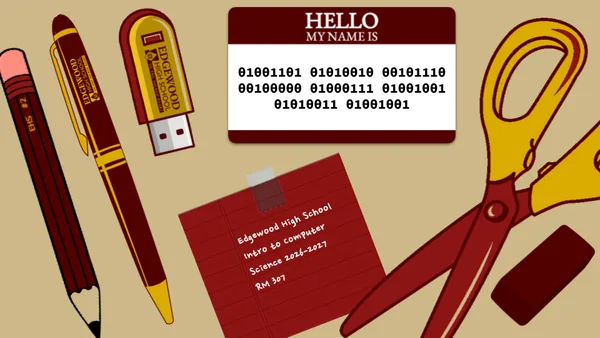
and experience? I'm working through 20 years of student documents from a high
school field science program (2005 to 2025), looking at how document structure,
methodological rigor, and writing complexity shift as students develop. It connects
directly to the field science work I've been doing and the kind of teaching I'm
building toward.
The creative side runs through all of it: motion graphics, broadcast production,
UI/UX, real-time rendering. My degree is in Creative Technologies because the
work I actually do doesn't fit neatly into "developer" or "designer." Usually
it's somewhere in between, in service of something specific.
The PEDAL project (Portable Environmental Data Analyzer & Logger)
received a Williams Student Success Award grant in 2025. It's a hardware prototype
that sits at the same intersection as my research: electronics, programming, and
environmental science, designed to be a teaching tool as much as a data collection one.